


-

Add: HeBei ShengShi HongBang Cellulose Technology CO.,LTD.
-

Email
13180486930@163.com -

CONTACT US
+86 13180486930




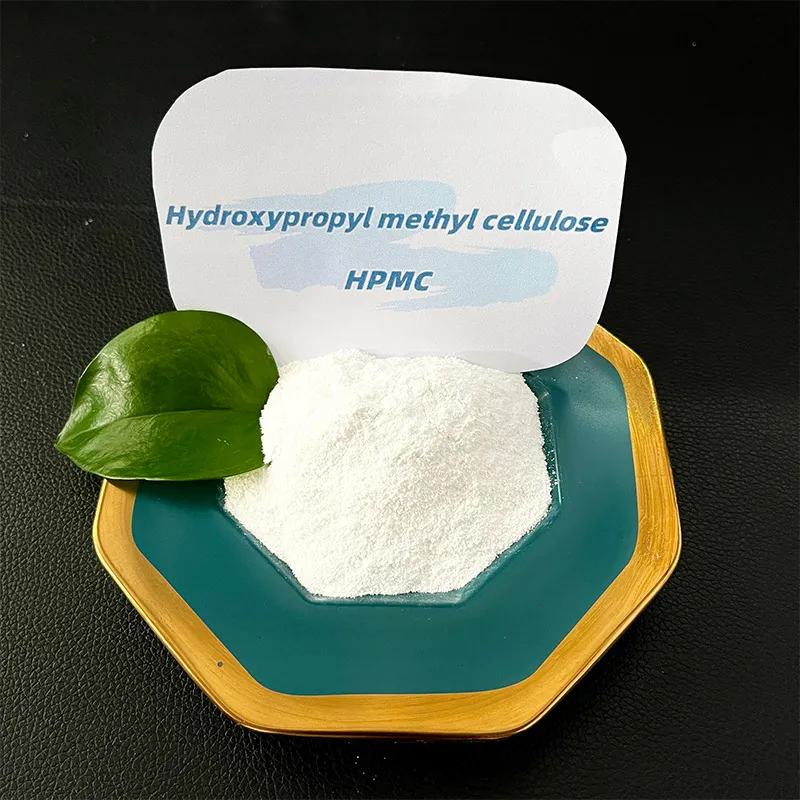
Exploring the HPMC Chemical Structure A Scientific Perspective The chemical structure of Hydroxypropyl Methylcellulose (HPMC) is not just a complex arrangement of atoms, but a profound synthesis of chemical engineering that finds application in various industries ranging from pharmaceuticals to construction. As science delves deeper, the intricate design of HPMC offers insights into its versatile functionalities, underscoring a narrative of innovation and reliability. Hydroxypropyl Methylcellulose is a cellulose derivative, notable for its amphiphilic properties which allow it to act as a water-soluble polymer. This unique characteristic stems from its chemical backbone—a result of both methyl and hydroxypropyl groups attached to the anhydroglucose units of cellulose. Every molecule of HPMC possesses a repeating structure that enhances its utility by maintaining a balance of hydrophilic and lipophilic elements. This duality in its molecular architecture is what empowers its diverse applicability in modern industries. In the realm of pharmaceuticals, HPMC's chemical structure renders it an indispensable excipient . The polymer serves as an ideal choice for controlled drug release formulations. Its hydrophilic matrix forms a gel barrier around the active ingredient, modulating the drug's release rate based on hydration dynamics. This meticulous delivery mechanism is crucial for maintaining therapeutic levels of medication over extended periods, attesting to the sophisticated engineering infused in its molecular design. hpmc chemical structure Moreover, HPMC's valor does not solely stem from its physicochemical properties but also its biocompatibility and non-ionic behavior. It is inert and exhibits minimal interaction with other substances, which makes it safe for consumption and utilization in medical formulations. Consequently, the high degree of trust placed in HPMC is built on a foundation of extensive scientific validation and regulatory approvals across healthcare frameworks globally. In food technology, HPMC's chemical structure confers remarkable emulsifying, stabilizing, and thickening abilities. These functionalities are especially harnessed in the production of gluten-free and reduced-fat foods. Its thermal gelation property—wherein it forms a gel at elevated temperatures and returns to solubility upon cooling—can be attributed to the specific arrangement and substitution of hydroxyl and methoxyl groups, facilitating texture modulation in diverse culinary applications. HPMC also assumes a critical role in the construction industry, where its chemical structure influences the properties of cement and plaster mixes. It enhances water retention, workability, and open time, crucial for ensuring durable and robust construction outcomes. The polymer’s viscosity-building and binding qualities simplify application on surfaces, making brushing, spraying, or roller application efficient and uniform. These benefits highlight HPMC’s contribution to improved performance and cost-effectiveness in building materials. The authoritative stature of HPMC in multiple domains is not merely a testament to its adaptability but to the scientific expertise that continues to delve into and broaden its potential. Future research may further refine its chemical structure for specific applications, paving the way for novel innovations that leverage this compound’s capabilities. Thus, HPMC stands as a paradigm of chemical engineering success—a story of how meticulous structural design can yield significant benefits across disparate fields of human endeavor.
- 40000tons

Production
- 20+years

Experience
- 5000+㎡

Acreage

-

Hydroxypropyl methylcellulose (HPMC) is a synthetic polymer widely used for its versatility and applications in various industries, such as pharmaceuticals, food, and cosmetics. Understanding the solubility of HPMC in organic solvents is paramount for those involved in product formulation and innovation. This article provides an in-depth look at the solubility map of HPMC, informed by real-world experiences and expert insights, to help you make informed decisions. HPMC is known for its unique solubility properties that make it highly functional. Unlike many cellulose derivatives, HPMC is soluble in water and some organic solvents. However, the solubility in organic solvents is not as straightforward as its aqueous counterparts . The degree of substitution and the nature of the solvent are primary determinants of HPMC’s behavior. A deep dive into solvent interactions reveals that HPMC demonstrates compatibility with polar organic solvents. Methanol, ethanol, and isopropanol are typically employed as solvents due to their polar nature, which interacts favorably with the HPMC molecules. Although complete dissolution may not always be achieved, blending these solvents with water often enhances solubility. Many formulators rely on these mixtures for HPMC applications, especially when targeting specific viscosities and functional attributes. In the arena of pharmaceutical formulations, the solubility of HPMC in organic solvents plays a vital role in controlled-release drug delivery systems. Experts frequently use a combination of ethanol and water to create a semi-solid matrix, which acts as a vehicle for sustained drug delivery. The solvent ratio, viscosity grade of HPMC, and other polymer characteristics are meticulously adjusted to meet the therapeutic needs. Despite considerable research and anecdotal evidence supporting specific solvent use, nuances in product formulations are inevitable. Experience lends insight into overcoming challenges such as solvent evaporation and maintaining polymer integrity. For instance, blending organic solvents with plasticizers has proven effective in preventing brittleness and enhancing film flexibility, a crucial aspect in coating applications. solubility of hpmc in organic solvents In the food industry, where HPMC is used as a thickener and emulsifier, compatibility with organic solvents is scrutinized due to regulatory and safety considerations. The application of ethanol in food-grade HPMC solutions showcases its utility in achieving desirable textures and stability in various consumables. Food technologists often emphasize a rigorous approach to solvent selection, focusing on maintaining consumer safety and product efficacy. Renowned experts in polymer science continuously evaluate the solubility characteristics of HPMC in emerging organic solvents. Environmental concerns and advancements in green chemistry have driven the exploration of eco-friendly solvents like ethyl lactate. These alternatives are gaining traction, though widespread adoption necessitates a careful balance between solubility performance and environmental impact. Trust in the reliability and safety of HPMC-solvent systems stems from robust testing and validation processes. Third-party verifications and certifications, especially in food and pharmaceutical domains, enhance the credibility of HPMC applications. Manufacturers often publish detailed solubility data and safe-use guidelines, supporting formulation scientists in their quest for optimal solubility strategies. Staying informed on advancements and new findings in solvents is crucial for professionals working with HPMC. Attending industry conferences, engaging in workshops, and subscribing to peer-reviewed journals are excellent methods to maintain expertise. Networking with fellow experts provides additional perspectives and solutions, further enriching one's understanding and application of HPMC in various contexts. In conclusion, understanding the solubility of HPMC in organic solvents is essential for optimizing product formulations across multiple industries. Balancing functionality, safety, and environmental considerations remains a top priority for professionals. Adeptly navigating these parameters ensures the development of high-quality, effective products that meet the evolving needs of consumers.
-

Unlocking the Benefits of Purchasing HPMC A Comprehensive Guide Hydroxypropyl Methylcellulose (HPMC) is a versatile material with applications spanning from construction to pharmaceuticals and beyond. Understanding the ins and outs of purchasing HPMC can significantly impact the efficiency and cost-effectiveness of your project. This guide offers insightful tips based on real-world experiences, expert knowledge, and authoritative insights into the procurement of HPMC, ensuring that your purchase is both economical and practical. The Importance of HPMC in Diverse Industries HPMC has gained a reputation for its multifunctional properties. For construction, it improves workability, water retention, and adhesion in cement-based products. In pharmaceuticals, it acts as a binder and controlled-release agent in tablet formulations. This wide range of uses underscores the product's relevance and the necessity for careful selection for specific applications. Selecting the Right Supplier The first step in purchasing HPMC involves identifying a reputable supplier. Experience counts; therefore, consider suppliers with extensive backgrounds in chemical distribution. Investigate their track record, client feedback, and quality control processes. Proactive communication is key . A trustworthy supplier should offer transparency about their sourcing, production processes, and any certifications they hold, such as ISO or GMP, assuring you of their commitment to quality. Quality Considerations Not all HPMC is created equal; variations in viscosity, particle size, and purity can affect performance. Expertise and detail-oriented assessment are crucial. Request samples before making a bulk purchase to evaluate the product's quality under your specific conditions. Laboratory testing or small-scale trials can provide insights into the material's behavior in your application, ensuring it meets your expectations. Cost vs. Value comprar hpmc While negotiating for competitive pricing, don't undermine the long-term value that high-quality HPMC represents. Balancing budget constraints with quality requirements ensures that the material will perform as needed, avoiding potential remediation costs or project delays. Take into account not only the purchase price but also factors such as shipping, handling, and potential import duties, which can add to the overall expenditure. Regulatory Compliance Different regions may have specific regulatory requirements for chemicals like HPMC. Confirm that the product adheres to all relevant industry standards and regulations in your area. Suppliers should provide compliance documentation and support any verification processes. This guarantees that your use of HPMC is within legal parameters and maintains the integrity and reputation of your project or product. Environmental and Ethical Considerations In today’s conscientious business landscape, the ethical sourcing and environmental impact of your materials cannot be overlooked. Choose suppliers who prioritize sustainability, monitoring their environmental impact and enforcing ethical labor practices throughout their supply chain. Not only does this align with responsible business practices, but it also enhances your brand’s reputation and potentially its market share. Leveraging Expertise Consulting with industry experts or engaging with professionals who specialize in material science can offer invaluable insights. Their experience can highlight potential pitfalls and innovative uses of HPMC that you might not have considered. Being open to learning from seasoned practitioners can significantly streamline the decision-making process and optimize the performance of your end product. By adhering to these principles, purchasing HPMC becomes a strategic process that enhances your project's efficiency and reliability. The combination of informed supplier selection, stringent quality assessment, compliance checks, and environmental considerations ensures that your investment in HPMC supports your business's long-term goals and values. Embrace the opportunity to leverage expert insights and create a reliable framework for your material procurement strategy.
advantages
-

200000 Viscosities
Excellent product
We can produce pure products up to 200,000 viscosities
-

40000 tons
High yield
We don’t stop production all year round, and the annual output can reach 40,000 tons
-

24 hours
Quality service
We provide 24-hours online reception service, welcome to consult at any time
———— Inquiry Form
Schedule A services


-
 fibre_de_beton_en_polypropylene
Oct . 25, 2025
Understanding Wood Cellulose Its Nature and Importance Cellulose is a complex carbohydrate that is a - hydroxypropyl_methylcellulose_skin
Oct . 25, 2025
Plaster Retarder & Gypsum Retarder: Industry Trends, Technical Specification, Comparison & Applicati -
 hydroxypropyl_methylcellulose_eye_drops_price
Oct . 25, 2025
Understanding the viscosity of HPMC E5, or Hydroxypropyl Methylcellulose E5, is crucial for industri


